Surgery7 min
Post-Surgery Pet Care: A Complete Guide for Pet Owners
Published on: Mar 22, 2026
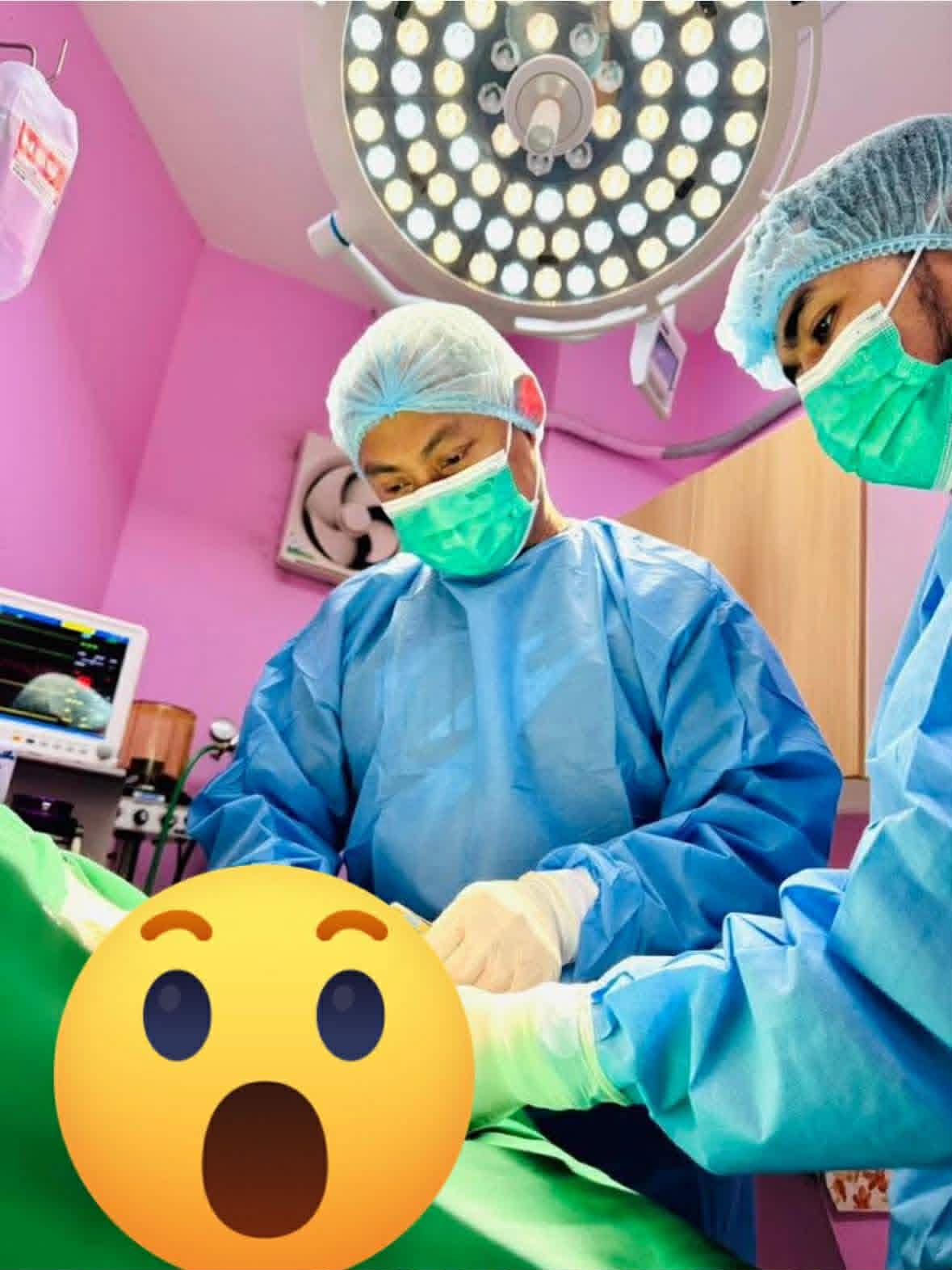
The Post-Surgery Period is Critical
Whether your pet undergoes spay/neuter, tumor removal, or orthopedic surgery, the recovery period is crucial. Proper care ensures faster healing, reduces infection risk, and helps your pet return to normal life as quickly as possible.
The First 24 Hours After Surgery
- Anesthesia Effects: Your pet may be groggy, wobbly, or lethargic. This is completely normal and may last 12-24 hours as the anesthesia fully wears off.
- Food and Water: Offer small amounts of water once your pet is alert (about 2-4 hours post-surgery). Introduce a small portion of soft food after 6-8 hours.
- Rest Area: Prepare a quiet, temperature-comfortable space. Prevent jumping or running. Use clean, soft bedding.
Wound Care
- E-collar (Cone): Absolutely essential! Keep it on at all times until suture removal (typically 10-14 days) to prevent licking or biting the wound.
- Monitor the Incision: Check daily. Mild swelling and redness in the first 2-3 days is normal and should gradually improve.
- Keep the Wound Dry: No bathing until sutures are removed. Use a damp cloth to clean other areas if needed.
Medication
- Pain Medication: Administer on schedule as prescribed. NEVER give human pain medications (especially paracetamol/acetaminophen or ibuprofen) to pets — they are extremely toxic.
- Antibiotics: Complete the full course as prescribed, even if the wound appears to have healed.
Special Care for Orthopedic Surgery Cases
- Restrict activity — no running, jumping, or rough play for at least 6-8 weeks.
- Use crate rest as recommended by your vet to protect joints before bones are fully healed.
- Attend all scheduled follow-up visits for X-rays to monitor bone healing progress.
Emergency Signs — See Your Vet Immediately If:
- The wound is severely swollen, intensely red, has discharge or pus, or smells unusual.
- Bleeding from the surgical site.
- Your pet refuses all food and water for more than 24 hours.
- Severe vomiting or diarrhea.
- High fever, extreme lethargy, or difficulty breathing.
- Sutures have opened or the wound has come apart.
At Makhamtia Animal Hospital, we provide close post-operative follow-up care. Pet owners can call for advice or questions every day, from 08:00-21:00, including holidays.
👨⚕️
Written by Veterinary Team
Makhamtia Animal Hospital