General7 min
Cat Urinary Problems: Signs of Lower Urinary Tract Disease (FLUTD)
Published on: Apr 7, 2026
Red Flags: Is Your Cat Struggling to Urinate?
Many cat owners notice their pets visiting the litter box unusually often, straining for long periods, or even crying out in pain. These are not minor issues; they are primary symptoms of Feline Lower Urinary Tract Disease (FLUTD). In male cats especially, a urinary blockage can become a life-threatening emergency in just 24-48 hours.
Symptoms to Watch For:
- Frequent Litter Box Visits: Often with little to no output.
- Inappropriate Urination: Going outside the box, such as on beds or rugs.
- Blood in Urine: Noticeable pink or red tint in the litter.
- Excessive Licking: Focusing on their genital area due to irritation.
- Lethargy & Loss of Appetite: Signs that toxins are building up in the bloodstream.
Common Causes of Urinary Problems:
- Bladder Stones (Uroliths): Mineral deposits that crystallize and form stones.
- Cystitis: Inflammation of the bladder, often triggered by stress or infection.
- Urethral Obstruction: A critical blockage, most common in male cats due to their narrow anatomy.
- Diet & Hydration Issues: Low water intake or diets with improper mineral balances.
Diagnosis & Treatment:
Our veterinarians will perform a thorough assessment, which may include:
- Urinalysis: To detect infection, crystals, or blood.
- Imaging (X-ray or Ultrasound): To visualizethe size and location of any stones.
- Treatment: Options range from specialized medication and diet changes to urinary catheterization or surgical stone removal.
Preventing Recurrence:
- Boost Hydration: Use water fountains or incorporate more wet food into their diet.
- Prescription Diets: Switch to targeted "Urinary Care" foods as recommended by your vet.
- Reduce Stress: Ensure a peaceful environment with plenty of clean litter boxes (the rule: number of cats + 1).
- Weight Management: Maintaining an ideal weight reduces the risk of urinary flare-ups.
If your cat has not urinated for 24 hours, this is a medical emergency! Bring them to the hospital immediately.
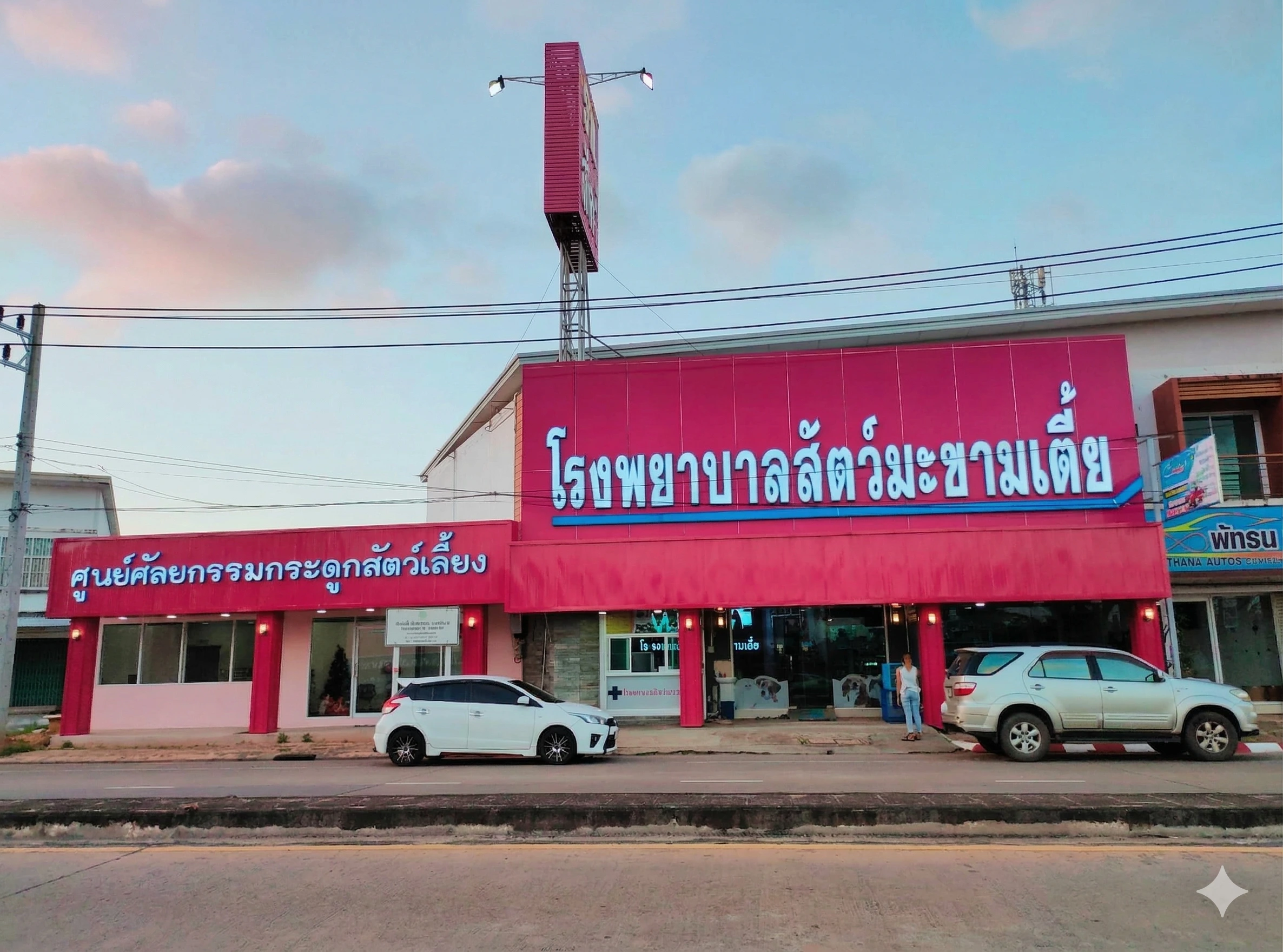
Makhamtia Animal Hospital provides comprehensive diagnostic and treatment services for pet urinary health, open every day to serve your needs.
👨⚕️
Written by Veterinary Team
Makhamtia Animal Hospital