Skin Disease in Dogs & Cats: Causes, Symptoms & Proper Treatment
Published on: Apr 22, 2026
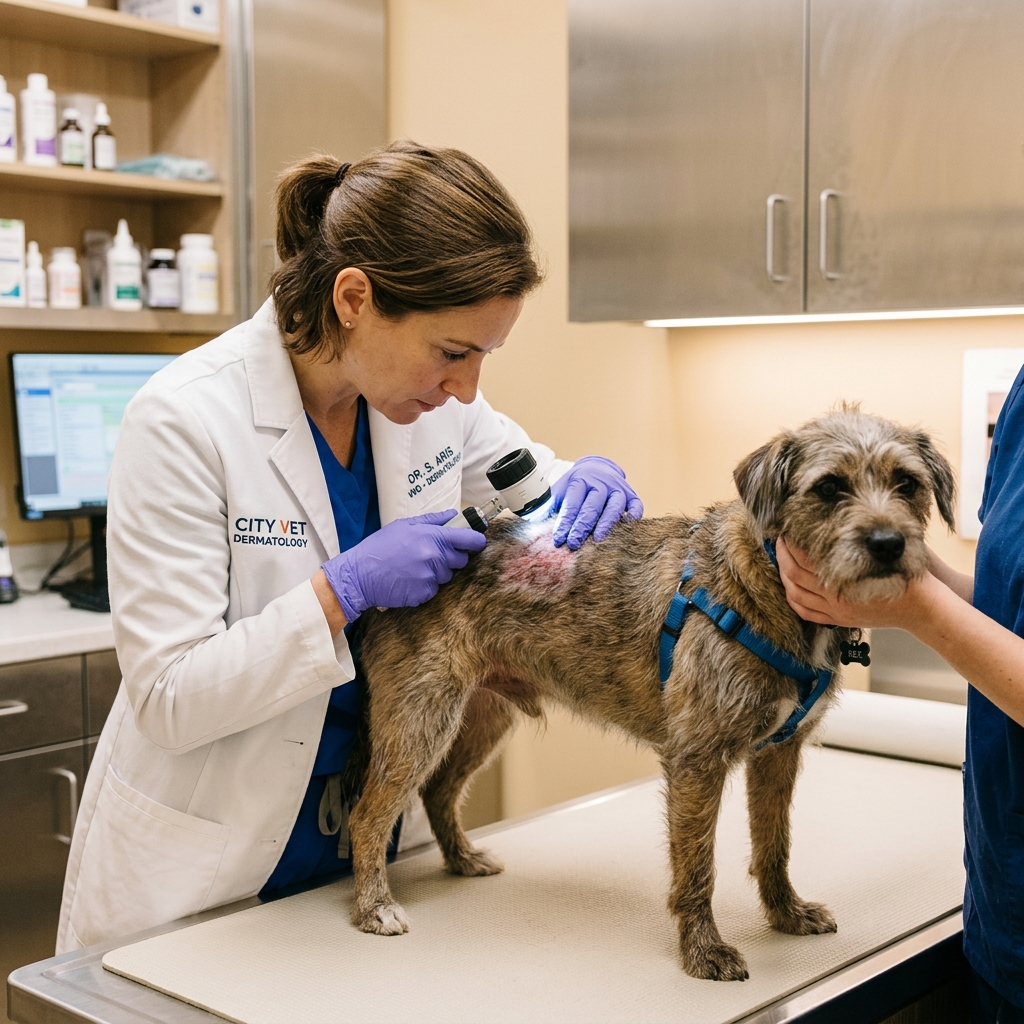
Skin Disease in Dogs & Cats: A Problem You Should Never Ignore
Skin disease is one of the most common reasons pet owners visit the veterinarian, particularly in the hot and humid climate of southern Thailand. Surat Thani's tropical environment supports the growth of fungi, bacteria, and parasites on your pet's skin. Left untreated, skin conditions can become chronic and increasingly difficult to manage.
Symptoms to Watch For
- Constant scratching and self-inflicted wounds from itching
- Patchy hair loss, especially around the ears, back, tail base, or belly
- Red, inflamed skin with bumps, scabs, or unusual rashes
- Strong body odor caused by bacterial or yeast overgrowth
- Dry, flaky skin (dandruff)
- Frequent licking of paws or body folds: Common in dogs with allergies
Common Causes of Skin Disease in Surat Thani
1. Ticks, Fleas & Mites (Parasitic Skin Disease)
- Ticks and Fleas: The #1 cause of itching, especially during the rainy season. Some dogs develop severe allergic reactions to flea saliva (Flea Allergy Dermatitis - FAD).
- Mange Mites (Demodex / Sarcoptes): Cause hair loss, skin thickening, and severe irritation.
2. Fungal Infections (Ringworm)
- Common in both dogs and cats, especially in humid conditions.
- Symptoms: Circular patches of hair loss, red and scaly skin.
- Can transmit to humans (Zoonotic), so prompt treatment is essential.
- Frequently seen in stray kittens and newly adopted cats.
3. Allergies
- Food Allergy: Often causes itching around the face, ears, groin, and belly.
- Environmental Allergy (Atopic Dermatitis): Triggered by dust mites, pollen, or mold — usually chronic with periodic flare-ups.
- Contact Allergy: Inappropriate grooming products or household chemicals can irritate the skin.
4. Bacterial Skin Infection (Pyoderma)
- Often secondary to another condition, such as allergy-induced scratching or flea bites.
- Symptoms: Pustules, circular crusting patterns (collarettes), and redness.
5. Hormonal Skin Disease
- Hypothyroidism: Common in middle-aged to senior dogs. Causes symmetrical hair loss, weight gain, and lethargy.
- Cushing's Disease: Thin skin, hair loss, pot belly, excessive thirst.
Diagnostic Approach at the Vet
Your veterinarian may recommend (based on the case):
- Skin Scraping under Microscope: To detect mange mites.
- Fungal Culture: To confirm ringworm infection.
- Blood Tests: To assess hormonal imbalances, allergies, or systemic inflammation.
- Wood's Lamp Examination: Certain fungi fluoresce under UV light.
- Food Elimination Trial: If food allergy is suspected.
Treatment Options
Treatment depends on the underlying cause:
- Parasites: Anti-parasitic medication + environmental treatment at home.
- Fungal Infection: Topical and oral antifungal medication for a minimum of 4-8 weeks.
- Bacteria: Antibiotics combined with medicated shampoo therapy.
- Allergies: Symptom management with medication + environmental control + specialized diet.
- Hormonal: Address the root cause; often requires lifelong hormone supplementation.
Prevention Tips for Healthy Skin
- Monthly parasite prevention year-round (critical in southern Thailand's climate).
- Use pet-specific shampoo — human shampoos have the wrong pH for animal skin.
- Dry thoroughly after bathing — damp skin encourages fungal growth.
- Clean bedding and living areas regularly.
- Feed high-quality food with Omega-3/Omega-6 fatty acids for healthy skin and coat.
- Annual health checkups to screen for hormonal or allergy-related conditions.
Makhamtia Animal Hospital offers comprehensive skin diagnostics and treatment for dogs and cats using modern equipment. If your pet is scratching, losing fur, or has red, irritated skin — don't wait for it to get worse. Visit us any day from 08:00-21:00. Call 077-935-414.
Written by Veterinary Team
Makhamtia Animal Hospital