Senior Dog Health Care: 7 Changes to Expect as Your Dog Ages
Published on: Mar 12, 2026
When is a Dog Considered "Senior"?
Dogs enter their senior years earlier than most people think. Small to medium breeds (under 20 kg) are generally considered senior at around 7-8 years, while large breeds (over 20 kg) may be senior as early as 5-6 years due to their shorter average lifespan.
7 Key Changes to Watch For
1. Joint and Bone Problems (Arthritis)
The most common issue in senior dogs. Watch for difficulty getting up, limping, reluctance to use stairs, or pain when being picked up. Your vet may recommend joint supplements (Glucosamine/Chondroitin), pain medication, or weight management to reduce joint stress.
2. Weight Changes
Senior dogs often have slower metabolisms, making them prone to obesity. Conversely, some dogs lose weight due to chronic conditions like kidney disease, liver disease, or diabetes. Regular weigh-ins and dietary consultations are important.
3. Dental and Gum Disease
Dental disease is the most overlooked problem. Senior dogs commonly develop tartar buildup, gum inflammation, loose teeth, and may stop eating due to oral pain. Regular dental checkups and professional cleaning prevent infections from spreading to other organs.
4. Declining Vision and Hearing
The lens may become cloudy (Nuclear Sclerosis) or develop cataracts, reducing vision. Hearing loss is normal — your dog may stop responding when called.
5. Changes in Urination and Bowel Habits
Senior dogs may urinate more frequently, have incontinence, or experience more constipation/diarrhea. These can signal kidney disease, diabetes, or urinary tract problems and should not be ignored.
6. Behavioral Changes
Sleeping more, playing less, occasional confusion, pacing in circles, or barking without reason could indicate Cognitive Dysfunction Syndrome (similar to dementia in humans).
7. Increased Risk of Tumors and Lumps
Senior dogs have a higher risk of developing masses, both benign and malignant. Regularly feel your dog's body for new lumps or growth of existing ones, and have them checked promptly.
Senior Health Checkup Schedule
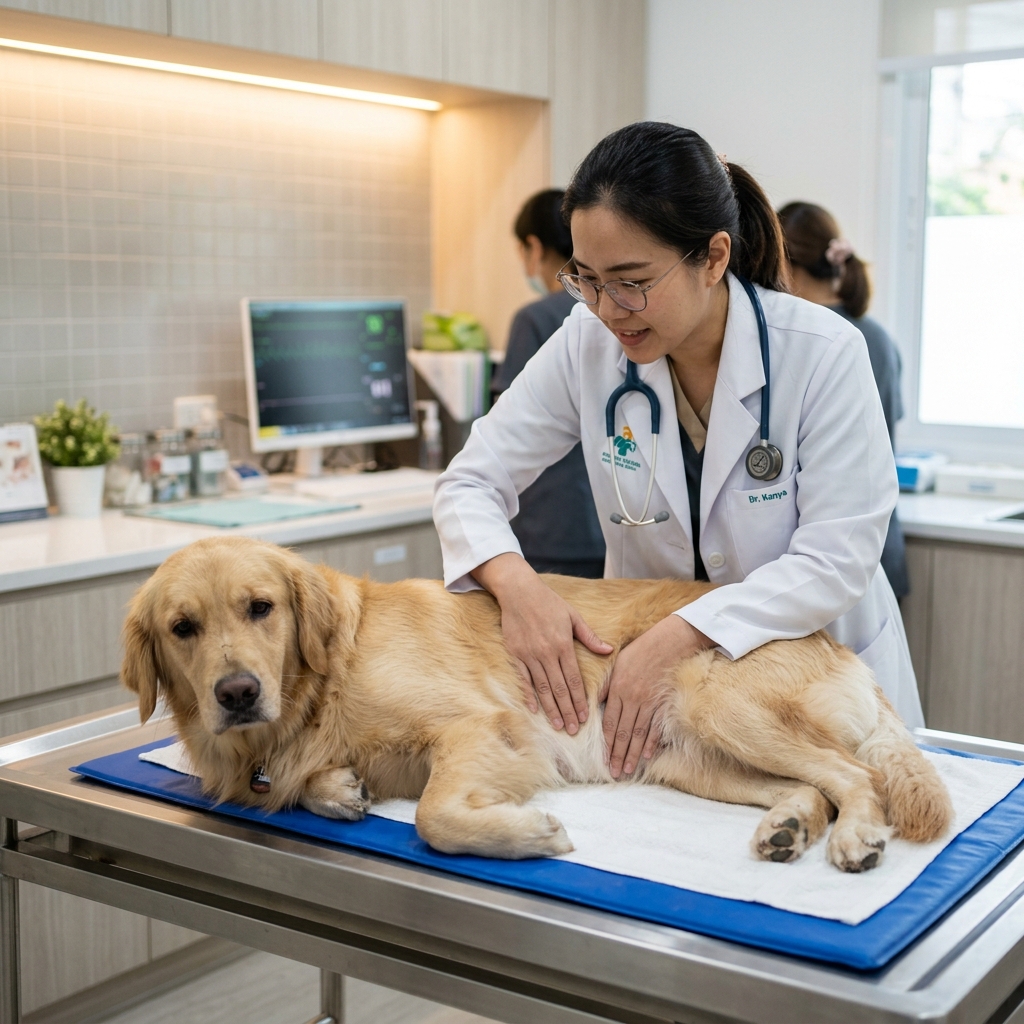
We recommend senior dogs have health checkups twice a year instead of once, as diseases in senior dogs progress more quickly. Early detection leads to significantly better treatment outcomes.
At Makhamtia Animal Hospital, we have automated blood testing, Digital X-ray, and a dedicated team ready to provide comprehensive senior dog health assessments. Walk-ins welcome every day.
Written by Veterinary Team
Makhamtia Animal Hospital